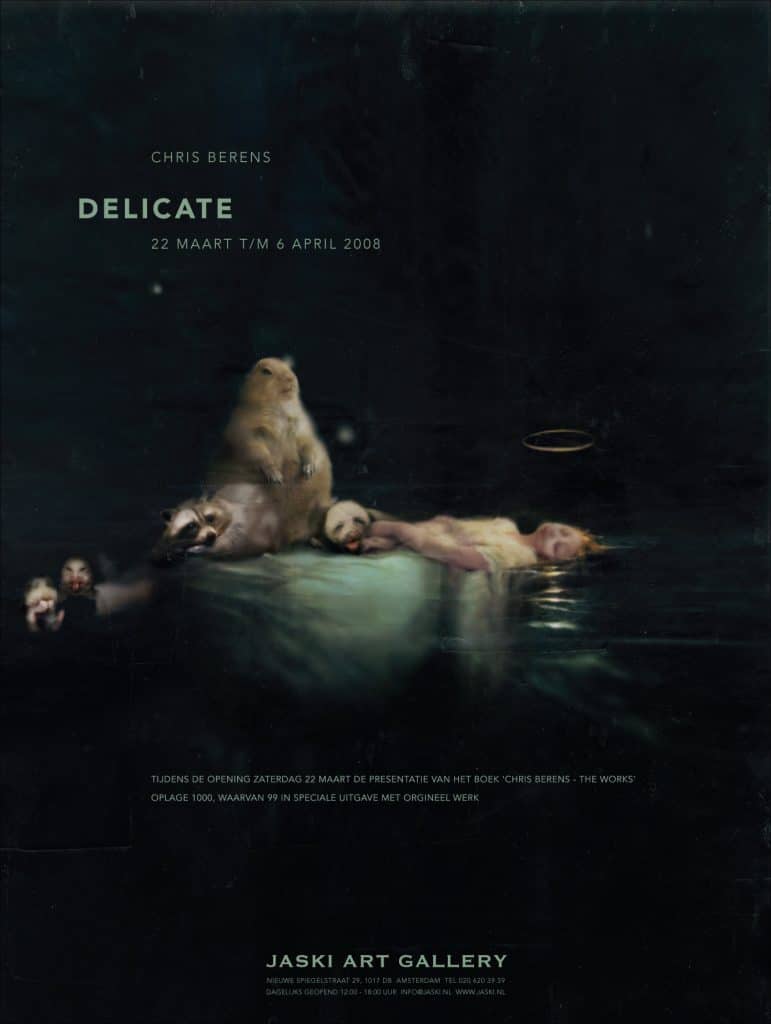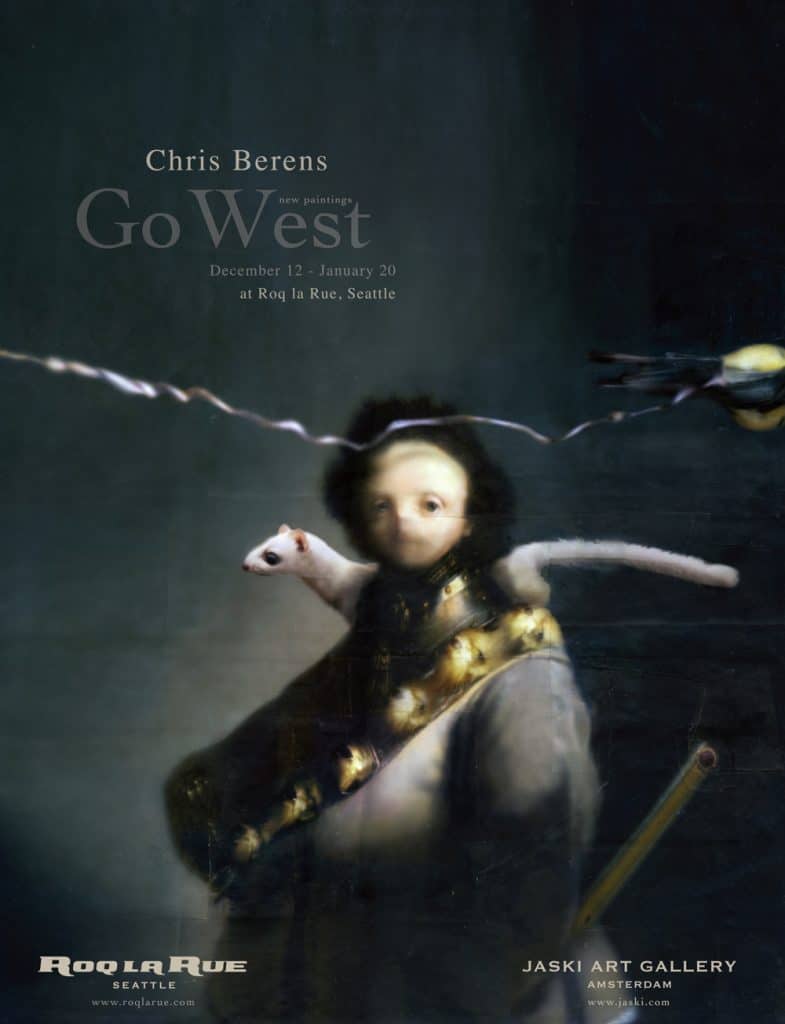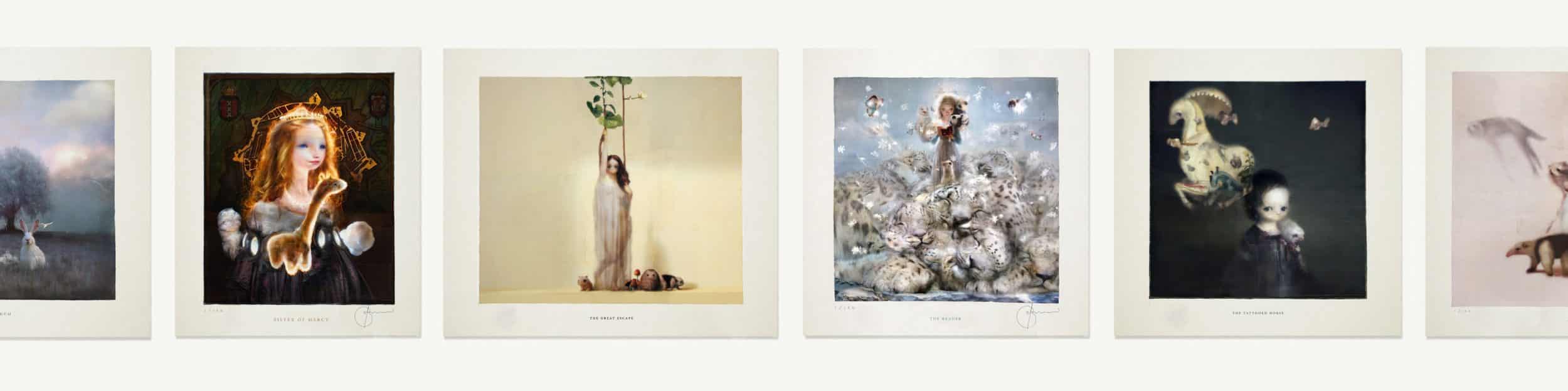
Chris Berens, Dutch artist. Chris Berens, Dutch illustrator. headtitle/titlemeta name="description" content= "Chris Berens, Dutch artist and illustrator." meta name="keywords" content= "online gallery, information about the artist, new projects and works" /head Jaski Art Gallery Amsterdam the Early Works Cirkus Vissen Vis en Beer Kopje Thee Mol en Eend Meisje Serie Engeltje Serie Sake Berceuse Presque Negre 1000 Dingen Looplied Rebetika de Wetenschapper het Verlangen Alle Componenten voor de Ideale Leider Sprook In C Zes Vensters de Jaren het Verhaal van de Wolf Tegenlicht Toontje van Esch was er ook Exit Musik Biedermeier het Zevende Kind het Gebeurde om Half Zes Op Zijn Baard Sliep een Haas Doos je Open Doosje Dicht Ikke Lampje Aan Johan Nachtmerrie Wolfje de Tijd en het Meisje Ijsbeer (Theo) Koorddansen Sas van Gent Romulus a Murder Of Crows Fiets Naar Huis Leve de Koningin Isolde Marc Mulders Zilver and Flowers Never Bend with the Rainfall Het Zoete Geheim Wit van Tijd Storm Zilver Something Wicked This Way Comes Portrait of a Lady In Paradisum de Collectie Compassie de Ballade van de Vierde Mol Ondertussen, Achter in de Rookkamer het Mooiste Eiland Droomkonijn Daysipus Novemcinctus Armadillo Dreamer's Ball I Spy in de Rookkamer Stamgast Marnix Regenvissen Muze Olifantjes Voor Bob Zuytbrouck Vol van Genade Kabinet Vol Kabinet Leeg the Heaven Show Delicate From Such Great Heights Lady of the Dawn First Snow (Guide Me Home) Snowangels Tickertape Parade Her Hajesty (Mr. Sniffles) Haze Heaven On Their Minds Blue Skies White Shores Bleach Never Alone Party of Three Little White Prayers Child Man Woman Beast Fetch! in the Waitingline Anointments Circle of Friends Shell Processie Wiegelied Julia - Art Fair Den Bosch Dageraad I Do Midzomernachtzon - RealIsMe07 Zwermen - RealIsMe07 Hyena - RealIsMe06 Westerwind - Restaurant de Jonge Dikkert Wondercaemer - Restaurant d'Vijff Vlieghen CS - Galerie Majke Hüsstege Vergeten Dinsdag - Galerie Majke Hüsstege Affordable Art Fair AAF One (1) Two (2) Three (3) Four (4) Five (5) pAn Amsterdam Autumn Sloth the Lobby the Butcher's Wife Monday's Child Delicate the Soft Parade the Buther's Wife Memento Today We Escape - We Escape Monday's Child the Wind Blows West Trophy the Lobby the Portal the Great Escape the Apprentice On a Midnight Voyage the Chase Hootie the Wave the Wake the Final Bow Zero Gravity the Greenhouse Musée Limousin Waits At The Window (Where Do They All Come From?) Beneath The Waves the Fool On The Hill Cornucopia the Big Blue Opening Delicate verzorgd door Beau van Erven Dorens. Tevens presentatie van het boek 'Chris Berens - 2239' Chris Berens - 2239 Text in Ducth, English and Japanese ISBN/EAN: 978-90-72382-04-7 Chris Berens Tussen droom en werkelijkheid Tekst: Prof. Dr. Ruud Lapré Droom en werkelijkheid Een bezoek aan het atelier van Chris Berens (Oss, 1976) is in verschillende opzichten een confrontatie tussen droom en werkelijkheid. De werkelijkheid: een modern ogende jongeman op de vierde verdieping van een appartement aan een gracht in de Jordaan te Amsterdam, intensief werkend aan de schilderijen voor zijn solotentoonstelling bij Jaski Art Gallery. De droom: de schetsen in zijn tekenboeken en zijn schilderijen aan de wand en op de grond, in verschillende stadia van afronding. Bij binnenkomst in het atelier maakt de hectiek van de Amsterdamse binnenstad reeds snel plaats voor een schemerwereld van verstilling. Hier vallen de woorden van de naturalistische schrijver / dichter Willem Elsschot (Vlaanderen, 1882-1960) langzaam op hun plaats: "Maar tussen droom en werkelijkheid staan wetten in de weg en praktische bezwaren en ook weemoedigheid, die niemand kan verklaren en die des avonds komt wanneer men slapen gaat" Droom en werkelijkheid zijn bij Chris Berens geen tegenstelling, hoogstens een schijnbare. Want hij gebruikt de werkelijkheid, en dat is uitdrukkelijk zijn werkelijkheid, om een wereld te creëren die op ons, als geïnteresseerde toeschouwer, als een droomwereld overkomt. Het gedicht verwoordt het gevoel dat wordt losgemaakt zo dichterlijk met de onverklaarde weemoed in het niemandsland van het slaapwandelende brein. Niet alles wat het gedicht ons wil vertellen dekt de lading van Berens’ kunstenaarsschap. Hij laat zijn artistieke bedoelingen bijvoorbeeld niet belemmeren door de platgetreden paden van de voor een schilder gebruikelijke materialen en technieken. Hij zoekt daarin zijn eigen weg en schuwt het gebruik van onorthodoxe middelen niet. Ook door praktische bezwaren laat hij zich niet uit het veld slaan. Zijn werkwijze is tijdrovend, maar verleidt hem niet tot concessies. Als de Amsterdamse grachtengordel zo rond een uur of negen de dag herneemt, heeft hij er in zijn atelier al ruim twee uur noeste vlijt opzitten. Met zijn tekeninkt, schetsboeken, de verdwijnende stilte van de straat, klassieke muziek en koffie. In een wondere wereld van sprookjes en harde werkelijkheid. Een wereld die hem inspireert tot extreem lange werkdagen. Habitat Een schokkende lift brengt ons naar zijn werkruimte. De deur staat open en de muziek wordt afgezet zodra wij binnenkomen. Hij komt ons tegemoet vanuit het voorgedeelte van het atelier. Slank postuur. Gekleed in wat in betere tijden wellicht een groene overall zal zijn geweest. Door de spetters en klodders verf is de kleur nu ondefinieerbaar geworden. Op het hoofd een ijsmuts. Niet overbodig, want het is in het atelier aan de koude kant. Het scheerapparaat is enkele dagen onberoerd gebleven. Als de ijsmuts wordt afgezet wel een gladgeschoren schedel. Jongensachtige uitstraling, maar ingetogen. Tegelijkertijd open en terughoudend. Grote woorden vermijdend. Door het schuin oplopende dak oogt de ruimte als een zolderkamer. Lichtval voor en achter, in het midden een inpandige ruimte met douche en sanitaire voorzieningen. Alles eenvoudig, maar functioneel. Duidelijk meer een ruimte waar gewerkt wordt dan waar je de tijd doorbrengt voor de gezelligheid. Chris Berens en vriendin Esther Colaço Belmonte wonen dan ook niet hier, maar in een pand aan de overkant, schuin tegenover het atelier. Zij werkt als kunstredacteur bij een televisiezender. Ook zij heeft gestudeerd aan de kunstacademie en is, naast muze, voor hem een gewaardeerd klankbord voor kunstzinnige onderwerpen. Hij voelt zich thuis in het artistieke milieu van Amsterdam. Woonde voorheen in Brabant, steeds in de omgeving van Den Bosch, waar hij de aan de Academie voor Kunst en Vormgeving de opleiding tot illustrator volgde. Hij studeerde af in 1999, waarna hij enkele jaren freelance werkte als illustrator en in dienstverband bij de bekende Marten Toonderstudio’s. De laatste Brabantse jaren verbleef hij vooral in antikraak-panden, onder andere in een school en een boerderij. Hij had er de ruimte om wonen en werken te combineren. De rust van het platteland was een goede voedingsbodem voor de wezens in de fantasievolle wereld die zich al op jonge leeftijd in zijn brein nestelden, ontwikkelden en artistiek wilden uitvliegen. Hij denkt met genoegen aan die tijd terug, maar is het bestaan in afbraakpanden intussen ontgroeid. Aan de voorzijde van zijn atelier wordt de meeste ruimte ingenomen door twee grote werktafels. Die in het midden is in breedterichting geplaatst. Wanneer hij daaraan werkt heeft hij door de ramen zicht op de overzijde van de gracht. De tafel links is in lengterichting geplaatst, erboven hangen bladen met door hem gemaakte schetsen en inkttekeningen in kleur op glossy papier. Sommige bladen vertonen ontbrekende stukken afbeeldingen, opgeofferd aan de door hem toegepaste collagetechniek. Deze door hem gebruikte techniek is bijzonder te noemen. De manier waarop hij die systematisch en consequent toepast is uniek. Daarom straks meer over dat onderwerp. De eindeloze hoeveelheid artefacten van zijn hand, die klaarliggen voor een volgende bewerking, laat zien hoeveel ambacht er dient te worden verricht voordat Chris Berens uitkomt waar hij wil zijn. Aan de achterkant van het atelier dezelfde eenvoud als aan de voorzijde. Wij kunnen hier zitten op doorleefde keukenstoelen. Er staan enkele kleine kringlooptafels, die eveneens zijn bezaaid met de materialen waar de kunstenaar mee werkt. Op een van de tafels een laptop, het oorspronkelijke donkergrijs besmet met kleuren die op zijn schilderijen zichtbaar zijn. Op een andere tafel liggen schetsboeken, die onze bijzondere belangstelling hebben. Schetsen zijn vaak voorbewerkingen van kunstwerken. Ze zeggen veel over de voorafgaande bedoelingen van de kunstenaar. Denk aan de schetsen van de renaissance kunstenaars en aan wat we uit de schetsen te weten zijn gekomen van de schilderijen van onze Hollandse meesters uit de Gouden Eeuw. Schetsboeken van een kunstenaar zijn als het kasboek van een handelaar. Je krijgt inzicht in achtergronden die menig persoon liever voor zich houdt, maar dat is zeker niet het geval bij Chris Berens. Om kennis te kunnen nemen van zijn manier van werken geeft hij ons zonder beperkingen gelegenheid om in zijn schetsboeken te neuzen. Het atelier is niet al te groot, naar schatting zo’n vijfendertig vierkante meter. Er is niet getracht de ruimte groter te laten lijken dan hij is. Integendeel. De ramen aan de achterzijde zijn overwegend geblindeerd met luxaflex. En vrijwel alle aanwezige vrije muurruimte is gebruikt om er schilderijen, voorstudies en andere memorabilia uit zijn kunstenaarsbestaan aan op te hangen. Er is een Franse wand van eigen kunst. Waar niets meer gehangen kan worden, biedt de vloer uitkomst. Alles verwerkend wat het atelier aan indrukken uitstraalt, wordt ons gevoel bevestigd dat de kunstenaar harmonie en ordening hoog in het vaandel heeft. De droomwereld in zijn hoofd gaat niet ongeremd met hem op de loop, laat hem niet ontsporen. Dromen zijn prima. Hij koestert ze en laat ze in zijn hoofd groeien en bloeien. Maar waar het aankomt op het vertalen daarvan naar kunst, houdt hij doelgericht de regie. Inspiratie Hoewel hij niet gemakkelijk het voortouw neemt om ons een inkijk te gunnen in de persoonlijke belevingswereld waaruit hij als kunstenaar put, kan hij er, daartoe uitgedaagd, boeiend en aannemelijk over vertellen. Hij wil er overigens voor waken dat kunst, ook de kunst die hij maakt, eerst uitgelegd moet worden voordat het pas waardering kan krijgen. We laten hem zelf aan het woord om, kort samengevat, de inhoudelijke achtergrond van zijn werk toe te lichten. “Wat ik maak is niet een vervorming van de werkelijkheid die iedereen om zich heen kan zien. Ook niet van de gebeurtenissen die zich feitelijk afspelen. Met die wereld ben ik niet bezig. Ik probeer te schilderen wat zich in mijn hoofd afspeelt. Al van kind af aan bestaat die wereld. Er leven mensen in en dieren, er zijn landschappen, dorpen en steden, situaties. Er gebeuren allerlei dingen in die wereld, er zijn verhalen. Maar het is niet de gewone wereld en het zijn niet de dingen die in de gewone wereld gebeuren. Die wereld in mijn eigen hoofd koester ik, zij geeft mij onuitputtelijke inspiratie. Zoals ik mij ontwikkel in de gewone wereld, zo ontwikkelt die eigen wereld zich ook. De wereld in mijn hoofd heeft gelijkenissen, maar ziet er toch heel anders uit dan de gewone. Wat ik uitbeeld is dus niet een artistieke aanpassing van dier- of mensfiguren of landschappen uit de gewone wereld. Het is voor mij de feitelijke uitbeelding van wat ik zie. Niets meer en niets minder. Vroeger kon ik nog maar een klein deel van mijn innerlijke wereld op het doek overbrengen, in cijfers zo’n vijf of tien procent. Mijn techniek was toen nog te beperkt om meer duidelijk te maken. Ik schat dat ik nu in de buurt kom van bijna de helft van wat ik in mijn hoofd heb en wil laten zien. Er is zeker al een grote ontwikkeling geweest, maar ik ben nog lang niet tevreden. Er zit nog zoveel in de wereld die ik persoonlijk beleef, dat ik aan inspiratie nooit gebrek heb, of zal krijgen. Mijn wereld wil gekend worden en gezien. En dus door mij geschilderd. De wezens die mijn wereld bevolken leven. Ze hebben een karakter. Ik probeer dat karakter te ontdekken, te leren kennen. Daar gebruik ik mijn schetsen voor. Een menselijk of dierlijk wezen ontwikkelt zich in mijn schetsboek. Ik heb eerst vaag een karakter in gedachten, begin dan te schetsen en gaandeweg ontwikkelt het karakter zich onder mijn handen en in mijn hoofd. Voordat zo’n karakter, met al zijn voor mij belangrijke eigenschappen, zich gevormd heeft, heb ik er in talloze schetsjes naar gezocht. Pas wanneer ik het levende wezentje met zijn karakteristieken ken en door heb, plaats ik hem of haar in een omgeving. Pas dan komen bij mij de compositorische kanten van het schilderij aan bod. Ik kan niet leven zonder mijn schetsboeken. Raak bijna in paniek wanneer ik op belangrijke momenten, bijvoorbeeld een bezoek aan Parijs, denk mijn schetsboek vergeten te hebben. Er is dan zoveel dat ik ervaar en wil vastleggen. Ik kan dat niet allemaal in mijn hoofd opslaan. Een foto lijkt een gemakkelijk hulpmiddel, maar voldoet niet voor mij. Die geeft onvoldoende weer wat ik in mijn hoofd heb en hoe ik het zie.” Chris Berens heeft ontelbare hoeveelheden schetsjes gemaakt. Ze vullen intussen minstens vijfentwintig boeken. Het bestuderen van die schetsboeken levert veel herkenning op naar de wezens die later in kleur op zijn schilderijen zijn verschenen. Een schriel konijntje, een gordeldier, een poppetje dat ons met een oog hol aankijkt, klauwtjes van een ondefinieerbaar wezen. We zien fragmenten van een hoofd, soms niet meer dan een oog in vaag uitgewerkte holtes, een kaaklijn met een kin. De stand van die fragmentjes vervolgens getekend vanuit vele invalshoeken. Zo ook ledematen en lijfjes, als in een caleidoscoop benaderd en met fijne lijnen weergegeven. Er wordt kennelijk gezocht en doorgezocht tot die ene oogopslag of dat ene handgebaar is gevonden, passend bij de beelden in het hoofd van Chris Berens. Ook staan de schetsboeken vol met losse aantekeningen, soms als losstaande tekst om een sfeer aan te duiden. Dan weer behorend bij een getekend schetsje, bijvoorbeeld met een aansporing om op een andere manier door te zoeken naar een karakter of de uitwerking van een idee. En dan te bedenken dat het hier pas gaat om de eerste stappen in het door hem toegepaste creatieproces. Een goed moment om de volgende fasen uit de doeken te doen. Techniek Nadat, als hiervoor beschreven, door middel van de potloodschetsen intensief gezocht is naar de karakters van de dier- en mensfiguren die hij in een schilderij wil gebruiken (fase 1), worden in een volgende fase op glossy papier kleurenschetsen van die karakters gemaakt (fase 2). Daarvoor gebruikt hij tekeninkt die hij, afhankelijk van wat hij wil bereiken, meer tekenachtig hanteert, dan wel bewust onscherp maakt. We zien die soft focus vaak in zijn schilderijen. Samen met de toegepaste compositie levert het de dromerige taferelen op waarmee zijn kunst zich herkenbaar heeft gemaakt. Het onscherp maken van de afbeelding doet hij door de kleuren van de tekeninkt uit te laten lopen. Hierbij kan nuttig gebruik worden gemaakt van een föhn, een techniek die ook bij aquarelleren wordt toegepast. Het idee over de gewenste uitbeelding van het schilderij ontwikkelt zich in deze eerste twee fasen gaandeweg steeds sterker. In de volgende fase (fase 3) wordt de collagetechniek toegepast. Daarvoor worden stukjes van het papier gesneden en op het doek of paneel overgebracht, vaak in verschillende lagen over elkaar. Het gebruikte papier (inktjetpapier) bestaat uit twee lagen; een bovenlaag van transparante kunststof, waarop de beschildering is aangebracht, alsmede een onderlaag van gewoon papier als drager van de bovenlaag. Alleen het beschilderde dunne bovenlaagje wordt gebruikt. Hoe dunner het geplastificeerde bovenlaagje van de onderlaag wordt verwijderd, hoe transparanter de kleur wordt. Uit de door hem in kleur geschilderde figuren, landschappen, achtergronden en al het andere dat op het papier is voorbewerkt, kiest hij de beste en meest bruikbare stukken. Die snijdt hij in verschillende maten uit en brengt hij over op het in bewerking zijnde schilderij. Op een doek van 60 bij 60 cm worden al gauw een 200 fragmenten verwerkt. Iedere fase van bewerking heeft haar eigen artistieke uitdagingen. In deze fase zijn de compositorische kanten in het geding: de ruimteverdeling, de voor- en achtergrond, de kleurschakeringen. Niet in de laatste plaats ook de verbeelding van het idee en, in het geval dat er een verhaal bedoeld is, de tweedimensionale uitvoering daarvan. Wanneer de fragmenten zijn opgebracht, is er een schilderij ontstaan waarin al duidelijk het gewenste 'eindproduct' is te herkennen. Het afronden van het schilderij vindt plaats in deze fase (fase 4). Hierin wordt direct gewerkt op het doek of het paneel zelf. Hij gebruikt hierbij als materialen tekeninkt en lak, in vele kleuren en nuances. De inkt is op waterbasis, de lak synthetisch. Van de eigenschap dat ze elkaar van nature afstoten maakt hij handig gebruik. Hij kan er de kleurvlakken en de intensiteit van de kleuren mee sturen. Door de opgebrachte fragmenten zijn er op het in bewerking zijnde schilderij hoogteverschillen ontstaan. Die kunnen desgewenst met de lak worden weggewerkt. Ook is door de collagetechniek in deze fase uiteraard waarneembaar dat er duidelijke overgangen zijn ontstaan. Met de tekeninkt en de lak kunnen deze overgangen tussen de fragmenten vloeiend of zelfs onzichtbaar worden gemaakt. Om recht te doen aan zijn artistieke opvattingen kiest Chris Berens er vaak voor om zowel de gelaagdheid als de gefragmenteerde opbouw van het werk uit te laten komen en zichtbaar te houden. Ze vormen een bewust onderdeel van zijn artistieke repertoire. Een schilderij kan lang in bewerking blijven. Berens is niet gauw tevreden. Zolang het schilderij nog niet af is, blijven de wezens in zijn hoofd rondspoken, laten zij hem niet met rust. De rust komt pas wanneer zij hun juiste enscenering hebben gekregen en hun plaats in een passende omgeving. In deze slotfase (fase 5) wordt letterlijk de finishing touch aangebracht. Behulpzaam bij het bepalen van het moment waarop het schilderij af is, is de keuze van de titel. Meestal is de titel een bevestiging van zijn gevoel naar het betrokken schilderij en naar de door hem gewenste inhoud. De titel kan nog een beslissende rol spelen bij de afronding van het schilderij. Hier wordt bijvoorbeeld nog een element toegevoegd, daar wordt nog wat gespeeld met de schakeringen van kleur, of wordt een contour verzacht of juist duidelijker aangezet. Als het schilderij klaar is, ziet hij het als een wereldje op zich. Hij heeft voor de wezentjes in zijn hoofd, mens en dier, een eigen biotoop geschapen. Hij laat hen daar in hun verstilde omgeving mysterieus rondwalen, of er simpelweg zijn met al hun onvertelde geheimen. Tentoonstellingen In 2004 begon Chris Berens met exposeren. In dat eerste jaar vooral groepstentoonstellingen. Zijn eerste solotentoonstelling 'In C', in november 2005, bij Jaski Art Gallery in Amsterdam, was meteen een doorslaand succes. Zijn tweede solotentoonstelling bij Jaski Art Gallery, onder de titel 'Zilver', vond reeds een jaar later plaats, in oktober 2006, en was eveneens succesvol. Datzelfde gold voor de expositie korte tijd later bij dezelfde galerie, al in mei/juni 2007, met als titel 'The heaven show', waarvan het thema veel te maken had met leven en dood, met de nadruk op het laatste. Het thema voor een tentoonstelling en de naam die daarvoor wordt gekozen, geven een stemming weer die in die periode de boventoon voert. Op de tentoonstelling 'In C' (een verwijzing naar een muziekbegrip) waren oudere en nieuwe werken van zijn hand te zien, verschillend van sfeer. Niet in majeur, niet in mineur. In 'Zilver' was de stemming over het geheel genomen lichter; genuanceerder van toon, kleur en compositie. Een deel van de werken uit deze reeks zijn gemaakt toen zijn vader ernstig ziek was. Hij heeft het overlijdensproces van dichtbij meegemaakt, intens meebeleefd en de bevrijdende kant van de dood kunnen ervaren. In zijn woorden: “Er zit veel schoonheid in het moment van sterven. Na de pijn en worsteling van het stervensproces ervaar je ook de lichtheid van de berusting en het loslaten. Er was voor degenen die hij achterliet de zwaarte van het verdriet. Maar voor mijn vader was er een heilzame overgang naar rust en licht, naar een nieuwe hemelse wereld. Toen ik de laatste schilderijen maakte voor de reeks 'Zilver' was mijn vader pas overleden. Het schilderij 'In paradisum' is een portret van mijn vader, liefdevol omgeven door beschermengelen in de gedaanten van ijsberen, konijnen en andere dieren. Richting hemel. Het hele proces van het schilderen voor 'The heaven show' was voor mij een zoektocht. Ik had geen voorafgaand doel dat ik wilde bereiken, doel hemel zou te hoogdravend zijn. De hemel is niet gemakkelijk als doel en uitkomst voor een schilderij te formuleren. De weg erheen gaf mij meer aanknopingspunten. Ik schilderde als vervolg op 'In paradisum' een parade van mensen en dieren die in een vreedzame volksverhuizing voorgoed wegtrekken, begeleid door de wachters die eerder mijn vader hadden beschermd. Het is het drieluik 'Circle of friends'. Dit drieluik was voor mij het belangrijkste werk op de expositie. Ik heb het werk heel bewust in de vorm van het drieluik geschilderd. Daar zit, met verwijzing naar de kunstgeschiedenis en de toenmalige uitbeelding van de hemel, symboolwaarde in. 'Circle of friends' voelde voor mij alsof een cirkel werd gesloten. Een fysieke reis eindigde, de eeuwigheid begon. Alle hoofdrolspelers ontmoeten elkaar en komen samen als vrienden voor altijd. Als het drieluik is gesloten, is een lam te zien. Het lam als symbool van onschuld dat de personen en wezens uit het drieluik beschermt.” Berens heeft in korte tijd een aanzienlijke en in omvang toenemende schare van liefhebbers van zijn werk weten te bereiken. Zijn werk spreekt aan zowel bij de gevestigde clientèle, die Jaski vooral kent als CoBrA-galerie, als bij een jonge, nieuwe generatie van kunstliefhebbers. Het boekje dat ter gelegenheid van de tentoonstelling 'Zilver' door Jaski Art Gallery werd uitgebracht, heeft een typische Chris Berens-signatuur. Er is een verhalende sfeer van verbondenheid van leven en dood in te ontdekken en vooral het geheim van het sterven is subtiel verscholen in veel van de werken uit die periode. Zonder het uit te spreken, zijn verschillende van die werken een ode aan het liefdevolle gevoel dat hij voor mensen uit zijn omgeving koestert. Dat gevoel moet zijn handen bij het schilderen hebben meegestuurd. Gevoel is ontegenzeggelijk een belangrijke drijfveer in zijn oeuvre. Het is er niet uit weg te denken. Voor zijn expositie bij Jaski Art Gallery in maart 2008 snijdt hij een minder beladen thema aan dan leven en dood. Hij werkt voor deze tentoonstelling aan een serie schilderijen en kleine panelen die minder zwaar van aard zullen zijn. De serie krijgt als titel: 'Delicate'. Het was ook de naam van het laatste schilderij uit de vorige reeks. Kennelijk was toen al het begin van de behoefte om dit nieuwe thema aan te pakken. In deze reeks gaat hij verder op onderzoek uit naar de wereld in zijn hoofd en die merkwaardige wezens die er in ronddwalen. De schilderijen zijn als kijkoperaties om diagnoses te stellen in zijn brein. Maar ze nemen meer afstand van de grote gebaren uit 'The heaven show'. Om de wezens die de schilderijen uit de nieuwe serie bevolken niet in hun microkosmos te verstoren, begrenst hij hun universum door witte kaders om de doeken heen te schilderen. Alsof hij zijn innerlijke medebewoners wil beschermen tegen een boze buitenwereld en hun intimiteit veilig wil stellen. Delicate authenticiteit De schilderijen in de reeks 'Delicate' dragen alle weer de bijzondere sfeer die Chris Berens oproept. Wat houdt die in, waar bestaat die uit? We wagen een poging. Willen daar niet overmoedig in zijn, omdat een interpretatie niet loskomt van een persoonlijke intonatie. We volgen beschrijvend een veilige iconografische weg met enkele schilderijen uit 'Delicate', die exemplarisch zijn voor zijn oeuvre. In 'On a midnight voyage' zien wij een liggende jonge vrouw. Uitgelicht, midden op het doek. Boven haar hoofd hangt in de ruimte en aureool. Ze is opgenomen in een zee van gevarieerde blauwe tinten. Hij gebruikte daarvoor cyaan, geel, wat zwart en magenta. En om het blauw meer diepte te geven zijn er dunne lagen indigo, ultramarijn, Pruisisch blauw en koningsblauw aan toegevoegd. Door het sferisch kleurgebruik wordt ons oog nog meer en onafwendbaar getrokken naar het midden van het doek. Uit de beste picturale tradities van onze Gouden Eeuw kennen we de intieme familie- en groepsportretten van onze grote meesters. Dit schilderij associeert zich daarmee, ondanks de vrije interpretatie van de hoofdpersoon en de overige leden van de groep. We zien in de entourage van de hoofdpersoon een wonderlijke fauna van een bever, een wasbeer, een pandabeer en een paar hamsters. Beelden die meer droom dan werkelijkheid zijn. Maar zeker geen onaangename droom, eerder een lieflijke, die naar gelukkige kinderjaren verwijst. Al kijkend dromen wij met de slapende gestalte haar droom mee. Een krachtig gebruik van clair-obscur zoals bij Rembrandt en Vermeer vinden wij terug in veel van het werk van Berens. Hij moet ongetwijfeld door hen zijn geïnspireerd. Wij wagen het erop voor zijn werk de stijlaanduiding romantisch-barok te gebruiken. Uiteraard in een vertaling die recht doet aan zijn specifieke persoonlijke interpretatie, het eigen materiaalgebruik en de door hem toegepaste techniek. Kijk bijvoorbeeld naar het schilderij getiteld 'Blow'. We zien een popperig wezen gedeeltelijk uit het water rijzen. Is het een kind, een nimf, of een verdwaalde putti? Haar lichaam wordt weerspiegeld in het water van een vijver. Zij kijkt ons uitdrukkingsloos aan. De achtergrond kan een wand zijn met trofeeën van de jacht, maar ook een universum met hemellichamen in de vorm van berensnuiten. Chris Berens’ droomwerelden zijn boeiend en teder van uitbeelding. Niet alle vragen die zij oproepen worden beantwoord. Dat geeft ze blijvend een aangename spanning. Wat is er bijvoorbeeld allemaal te zien, te vermoeden, te verhalen, of te fantaseren bij het schilderij 'The greenhouse'? We beginnen er hier niet aan. Onbegonnen werk, niet sluitend te krijgen. We kunnen wel beschrijven wat we zien, hoewel ook dat niet gemakkelijk blijkt. Aan essentiële open einden in de beschrijving valt ook hier niet te ontkomen. Is dat erg? Neen! De open einden en onbeantwoorde vragen zijn juist een sterk onderdeel van zijn label. We zien een kind, hoogstwaarschijnlijk een meisje, met een diertje in haar handen. Ze staat, of ligt, in het midden van het schilderij, omringd door vage organische vormen van moeilijk te definiëren herkomst. Bij verklaringen over die herkomst komen wij niet verder dan hypotheses, zonder een begin van een redelijke bewijsvoering. We volstaan daarom met op te schrijven wat we objectief waarnemen: een achtergrond die door de rechte witte kaders in de vier hoeken het kind in een kruis plaatst. Mijn persoonlijke gevoelsuitdrukking maakt gewag van een kind als symbool van onschuld, weergegeven in een romantische zetting. Het schilderij 'The fool on the hill' is strenger van aard en formeler van compositie. Ook aan dit werk kunnen gemakkelijk symbolische elementen worden toegeschreven, veel gemakkelijker zelfs dan bij de eerder beschreven werken. De aanwijzingen liggen bijvoorbeeld besloten in de plaatsing van de zittende persoon bij het raam. We voelen vervreemding, eenzaamheid, een onbekende toekomst, mentaal gevangen zijn. Bij de fauteuil, veraf in de hoek geplaatst, voelen wij afstand, achterdocht, verholen angst. De oude man geeft ook nogal wat aan sporen prijs, getuige zijn blik, de opgetrokken schouders en de handen die als klauwtjes verkrampt op de knieën liggen. In dit schilderij staat de tijd stil. Seconden en eeuwigheid vloeien in elkaar samen. Het is de kracht van Chris Berens om zulke verbindingen voelbaar te maken. Chris Berens laat de dromen van de toeschouwers uitkomen. Volgens een oud en afgesleten gezegde zijn dromen bedrog. En was het niet de grote Picasso die schilderijen 'een grote leugen' noemde, bedrog van het oog? Bij Chris Berens zijn de dromen die hij ons laat zien persé geen bedrog. Zij zijn niet anders dan zijn werkelijkheid, maar dan op het platte vlak. Chris Berens wordt wereldwijd vertegenwoordigd door Jaski Art Gallery, Amsterdam. Chris Berens Twixt dream and reality…. Text: Prof. Dr. Ruud Lapré Dream and reality A visit to the studio of Chris Berens (born in Oss, 1976) is at first sight a confrontation between the world of dreams and that of reality. Reality takes the form of a young man of modern appearance in a 4th floor flat overlooking a canal in the old Jordaan neighbourhood of Amsterdam, working intensely on the paintings for his solo exhibition at the Jaski Art Gallery. The dream world is present in the form of sketchbooks filled with drawings and various paintings hanging on the wall or lying on the floor in various states of completion. When I enter the studio, the hustle and bustle of central Amsterdam quickly makes way for a twilight world of stillness. Here the words of the naturalist writer / poet Willem Elsschot (Flanders, 1882-1960) seem to take on an extra layer of meaning: But between dream and reality many rules stand in the way and practical difficulties and a melancholy which nobody can explain which comes at night on the verge of sleep. Here, one gets an inkling of the unexplainable melancholy that sometimes take root in the no man's land of a brain caught sleepwalking between dreams and reality. But for Chris Berens, the contradiction between the world of dreams and that of reality is more apparent than real. In fact, he uses reality - or more specifically his own reality – as a basis to create a world which, to the interested onlooker, looks like a world of dreams. A closer examination also reveals that Chris Berens the artist is not circumscribed by what the poet has to tell us. His work is definitely not confined to the well-worn paths trodden by most artists in terms of materials and techniques. He prefers to look for and find his own path and is not averse to using unorthodox means. Nor does he seem to be much bothered by practical difficulties. His manner of working is very time-consuming, but he refuses to make concessions. Every day at 9 a.m., when the Amsterdam canal district is getting ready to start a new day, he has already been labouring diligently in his disciplined and intense fashion for over two hours with his drawing ink and sketchbooks, accompanied by classical music and coffee against a background of gradually increasing street noises. It's a marvellous world, where fantasy and the hard edge of reality seem to live happily side-by-side – a world which inspires him to work very long and very hard every day, day after day. Habitat After a bumpy ride in the lift, we soon find ourselves at his studio. The door is open and the music stops as soon as we enter. A figure approaches us from the front of the studio - a slim figure dressed in what was probably once a green pair of overalls, but with a colour that is now difficult to pin down due to a rich overlay of splatters and splashes of paint. The woollen hat decorating his head is more than just a decoration considering the working temperature of the place. A few days’ stubble frames his face, contrasting with the clean shaven skull revealed when the woollen hat is put aside. The figure projects a sense of youthful reserve, a mixture of openness and restraint, more inclined to understatement than overstatement. The slanting roof creates the impression of an attic. Light enters from both sides into the separate workspace in the middle, which has its own shower and bathroom facilities. Everything is sober but functional, marking it as a place of work rather than a place where people sit around and relax. Chris Berens and his partner, Esther Colaço Belmonte, don't live here but in a flat on the other side of the canal, diagonally across from the studio. She works as an art reporter for a TV station and also studied at the art academy. So in addition to being his partner, she is also his muse and a much appreciated sounding board for his artistic flights of fancy. Chris feels very much at home in the artistic environment of Amsterdam. He grew up in the southern province of Brabant, not far from the city of Den Bosch, where he studied at the Academy for Art and Design to become an illustrator. After completing his studies in 1999, he worked for several years as a freelance illustrator and as an employee at the well-known Marten Toonder studios. During his last few years in Brabant, he was able to find the space he needed to live as well as work in a variety of buildings – including a school and a farm – which would otherwise have remained empty and were therefore made available by the owners to temporary residents to protect them from being taken over by squatters. The peace and quiet of the countryside was apparently an excellent source of nourishment for the wondrous creatures which started to take shape in his head at an early age and developed and flew out later when he became a full-fledged artist. Although he has very positive memories of those days spent in temporary makeshift quarters, he now prefers to live and work in a somewhat more stable setting. Most of the space in the front of the studio is taken up by two large worktables. The one in the middle, running from left to right, gives the artist a view through the window of the canal and houses on the other side. The table on the left runs lengthwise beneath a canopy of sheets filled with sketches and ink drawings in colour on glossy paper. Various sheets have already been cannibalized to provide material for the artist to use in applying his collage technique. The manner in which he systematically and consistently applies this technique is rather unique (we will discuss this in more detail further on). The innumerable artefacts made by the artist, lying patiently in wait for the next step in a long chain of skilled steps needed to craft the final product, make it clear that the artistic path chosen here is no easy one and demands a high level of skill. The back part of the studio is as simply furnished as the front part, with some old kitchen chairs and several small second-hand tables – the latter also dotted with various materials used by the artist. One table even supports a laptop, whose original grey finish is now enlivened by various colours, some of which are also visible in the paintings. Sketchbooks can be seen on another table, and my mind’s eye is drawn irresistibly to them. Sketches often represent the initial stages of an artist's work and can reveal quite a bit about his original intentions. The sketches made by the artists of the Renaissance attest to this, and we have learned quite a lot about the paintings of the Dutch Masters of the Golden Age (17th century) from their sketches. A sketchbook tells us as much about an artist as does a cash book about a tradesman. It often gives us the kind of insight and background information that many people prefer to keep to themselves, although this is definitely not true of Chris Berens. To help us better understand how he works, he allows us to look through his sketchbooks as much as we please. The entire studio is not all that big, probably about 35 m². No attempt has been made to make the space look larger than it actually is. On the contrary, the windows facing towards the rear are mostly covered by Venetian blinds and practically every bit of free wall space is used for hanging up paintings, preliminary sketches, and other memorabilia from the artist’s world. One wall is covered with the artist's own work, and if no more wall space is available, there's always floor space. The overall message transmitted by the studio and its contents confirms our initial impression that Berens attaches a great deal of importance to harmony and order. The dream world inside his head doesn't take him wherever it pleases, doesn't cause him to stray from his path. Dreams are great, and he takes good care of them and allows them to grow and flower in his head. But when it comes to translating them into art, he remains firmly in control of the entire process with his eye fixed firmly on the goal. Inspiration Although he doesn't quickly take the initiative when it comes to initiating us into the inner world of experience on which his art is based, he can, when challenged to do so, tell us some interesting and convincing stories in that regard. But the last thing he really wants is for art, including his own art, to require an explanation to be appreciated. After warning us to that effect, he tells us a bit about the subject matter of his art. “What I make is not a distortion or reshaping of the reality which everyone sees around them or of events which actually happen. That is not what my work is about. I simply try to paint the world inside my head. This world has been with me since I was a child. It is populated by people and animals and is filled with landscapes, villages, cities and scenes. All kinds of things happen in this world and various stories unfold. But it's not the ‘normal’ world, and they are not the things that happen in the regular world. I take very good care of this world inside my head, and it provides me with an endless source of inspiration. Just as I develop in the regular world, so does this private world of mine develop on its own as well. In many ways, it's similar to the regular world but at the same time looks and feels quite different. So what I paint is not an artistic representation or adaptation of animal or human figures or landscapes from the regular world. For me, it's an actual representation of what I see, no more and no less. “At first, I was able to transfer only a small part of my inner world to the canvas, perhaps 5% or 10%. At the time, my technique was still too limited for what I wanted to express. Fortunately, my ability has increased, and I can now represent almost half of what I have in my head and wish to reveal. I've definitely come a long way, but I’m still far from satisfied. There is so much happening in my inner world that I'm never short of inspiration and never will be. And my inner world wants to be revealed and seen, and therefore painted by me. “The creatures that populate my world are alive. They have their own character, and I try to discover that character and get to know it. That's what I use my sketches for. A human or animal creature develops along a certain line in my sketchbook. At first, I have just a vague idea of a character and simply start drawing. Slowly, the character then develops under my hands and in my head. Before such a character becomes fully formed, possessing all the characteristics I consider important, I search for it in innumerable sketches. Only after I have become familiar with and really understand this living creature and its characteristics, can I place it in a particular setting and start dealing with the compositional aspects of the painting. “I can't live without my sketchbooks and end up practically panicking if at important moments, for example during a visit to Paris, I become convinced that I've left my sketchbooks behind. I need them because there is so much I'm experiencing and wish to record. I can't store it all inside my head. A photograph might seem to be a useful tool in such cases, but that doesn't work for me. It can't really show what is inside my head and what I see.” Chris Berens has made innumerable sketches, which by now completely fill at least 25 drawing pads. Many of the figures in these sketches can be recognized in the creatures and elements that later reappear in colour in his paintings: a gaunt rabbit, an armadillo, a doll-like figure giving us a hollow stare from one eye, or the claws of some indefinable creature in the background. We come across fragments of a head – sometimes no more than an eye set in a vaguely defined recess or a jaw line and chin – which are then drawn from various perspectives. The same is true of limbs and bodies, approached in a kaleidoscopic fashion and drawn with very fine lines. These sketches are silent witnesses to a long and arduous search for the exact glance or gesture appropriate to the image inside the artist's head. The sketchbooks are also filled with annotations – sometimes describing a specific atmosphere and at other times dealing with a particular sketch – urging the artist to try a different path in search of a character or idea. And this is just the first link in the chain of steps followed by the artist in navigating the creative process. The next steps are discussed below. Technique After the 1st phase described above has been completed – in which the artist makes various pencil sketches in his search for the characters behind the animal and human figures he wishes to use in a painting – the 2nd phase can begin. In this phase, he makes colour sketches of these characters on glossy paper. To do so, he uses drawing ink and, depending upon the intended effect, draws very precisely and accurately or intentionally blurs the outline. This soft focus effect is often visible in his paintings. In combination with his compositions, it results in the dreamlike scenes and settings so characteristic of his work. He blurs the outline by allowing the colours of the drawing ink to run a bit. An ordinary hairdryer is a handy tool in doing this, similar to the way it is used for aquarelles. During these first two phases, the image and forms that the artist wishes to create gradually take shape. In the 3rd phase, he uses the collage technique. Surface sections are cut out of the paper used for the colour sketches and transferred to the canvas or panel, often superimposed in various layers. The paper used for this (inkjet paper) consists of two layers: a top layer of transparent plastic painted on by the artist and a bottom layer of normal paper base supporting the top layer. Only the top plastic layer is cut out for the collage. The thinner the layer removed from the paper base, the more transparent the colour of the final image will be. From all the figures, landscapes, backgrounds and other elements painted by the artist in the 2nd phase, he selects the ones he wishes to use for the painting, cuts them out in various shapes and sizes, and transfers them to the painting. A canvas measuring 60 x 60 cm can easily consist of 200 pieces. Every phase of the process presents its own challenges. In this phase, the compositional aspects play an important role: the use of space, the foreground and background, and the various gradations of colour. Last but not least, this phase can also deal with the representation of an idea or, if a story element is involved, the two-dimensional representation of the story. Once all the fragments have been applied, the desired end product is clearly visible in the form of a painting. In the 4th phase, the artist works directly on the canvas or panel itself to complete the work, using drawing ink in many colours and nuances as well as varnish. The ink is water-based whereas the varnish has a synthetic base. The fact that these two types of materials have a natural tendency to repel each other enables the artist to play with the various areas of colour as well as the intensity of the colours. Due to the various layers of fragments used, the thickness of the painting can vary during this phase. If he wishes, the artist can even out these differences with the help of varnish. Of course, the collage technique used also results in clearly visible transitions. With drawing ink and varnish, the artist can even out these transitions between fragments or even make them completely invisible. But in line with his artistic perspective, Chris Berens often chooses to retain the layered structure and fragmented composition of his work. They are actually quite characteristic of much of his work. The process of creating a painting can be a lengthy one, as Berens is not easily satisfied. Until the painting has been completed, the creatures and beings populating it continue to change position in his head and refuse to let him be. A sense of peace returns only after they have all been given their appropriate roles and placed in a suitable setting. In the final and 5th phase, the finishing touch is applied. The choice of a title can help mark the moment in time when a painting is finished. The title usually confirms the artist’s gut feeling with respect to the painting and its content. The title can sometimes also play an important role in the completion of the painting itself. A specific element may be added somewhere, the colour gradations used may be modified, or a particular contour may be softened or accentuated. After completing a painting, Berens sees it as a world in itself, within the framework of which he has managed to create a specific biotope for the human and animal creatures inside his head. He lets them go their own mysterious ways in a setting which seems frozen in time, or else he simply allows them to be themselves - full of untold secrets. Exhibitions Chris Berens started exhibiting his work in 2004. In this first year, his work was generally displayed in group exhibitions. In November 2005, he had his first solo exhibition at the Jaski Art Gallery in Amsterdam, titled “In C” (referencing the musical concept), and it immediately became a great success. A year later in October 2006, his second solo exhibition at the Jaski Art Gallery, titled “Silver”, was also a success. The same was true of his exhibition at the same gallery a half year later, in May/June 2007, titled “The heaven show.” The theme of “The heaven show” was closely linked to life and death, with an emphasis on the latter. The theme of an exhibition and the name chosen for it represent a mood that plays a dominant role during the previous period. At the exhibition named “In C”, older as well as newer works by the artist were exhibited. The works displayed a variety of moods, not exclusively in the major or minor key. The overall mood of the “Silver” exhibition was lighter, with a great many nuances of tone, colour and composition. Some of the works in this series were created at a time when his father was very ill. He witnessed and experienced the process of his father's dying intensely and from close by, and was also able to experience the feeling of release and liberation so closely tied to death. In the artist’s own words: “There is a great deal of beauty present in the moment of death. After witnessing the pain and struggle of dying, you also experience the lightness of acceptance and letting go. For those my father left behind, there was the weight of sorrow. But for my father, it was a beneficial transition to peace and lightness, to a new heavenly world. When I made the last paintings for the “Silver” series, my father had just passed away. The painting titled “In paradisum” is a portrait of my father, surrounded by loving and protective angels in the shape of polar bears, rabbits and other animals, on the way to heaven. For me, the entire process of creating paintings for “The heaven show” was a kind of search. I didn't have a predefined goal in mind: heaven as a target would have been much too presumptuous. Heaven itself is not an easy target to aim for in terms of a painting. The path there was much easier for me to visualize and deal with. “As a follow-up to “In paradisum” I painted a parade of people and animals leaving for good in a peaceful migration, escorted by the guardians who had previously watched over my father. For me, this triptych, titled “Circle of friends”, was my most important work at the exhibition. I chose to execute it in the form of a triptych due to the symbolic significance of this form in the history of art and its historical connection to depicting the heavens. For me, the “Circle of friends” represented the closing of a circle, the end of a physical journey and the beginning of eternity. All the main players meet once again as friends for eternity. When the triptych is closed, a lamb appears – a symbol of innocence watching over and protecting the people and animals in the triptych.” Berens has managed, in a very short time, to generate a great deal of interest in his work among a growing group of admirers. His work appeals to the more established clients of Jaski Art, who became familiar with the gallery primarily due to the CoBrA art movement, as well as to a younger and newer generation of art lovers. The booklet produced by Jaski Art to mark the “Silver” exhibition has the look and feel of Chris Berens’ work. It has a storyline in which life and death are inextricably intertwined, and many of his works from this period contain a subtle undercurrent in which the mystery of death plays an important role. Several of these works pay quiet testimony to his feelings of solidarity and affection for the people surrounding him. These feelings must surely have helped guide his hands in painting these works. Emotions and feelings are undeniably an important driver behind his work and form an integral part of it. For his exhibition at Jaski Art in May 2008, Berens deals with a theme less emotionally charged than life and death. He is working on a series of paintings and small panels of a less weighty character, titled “Delicate”, which was also the name of the last painting from the previous series. Apparently, this new theme was already starting to germinate at that time. In this new series, he continues his voyage of discovery in his own head in search of the fabulous creatures that continue to reside there. His paintings are a kind of exploratory brain surgery needed to make a correct diagnosis. But these paintings are on a less lofty scale than was the case in “The heaven show.” The white borders painted around the new works seem to circumscribe their inner universe, as if the artist wants to make sure that the creatures inhabiting the paintings in this new series are not disturbed within their own world, as if he wishes to protect his inner fellow travellers from a threatening outside world and ensure their intimacy and safety. Delicate authenticity The “Delicate” series of paintings are all imbued with that special atmosphere so characteristic of Chris Berens. But what exactly is that? In attempting to pin it down, we must be very careful and realize that any such interpretation will always remain highly personal. Perhaps the best - or at least safest - way of doing so is to simply take a closer look at some of the “Delicate” paintings so characteristic of his work. In “On a midnight voyage” we see a reclining or floating young woman in the middle of the painting lit up by a soft and diffuse light. Above her head, a halo can be seen floating in the air, and she herself is surrounded by a sea of various shades of blue. In painting the sea, the artist used cyan, yellow, and some black and magenta. To give the blue extra depth, thin layers of indigo, ultramarine, Prussian blue and royal blue were also added. The artist’s use of light and colour draws the onlooker’s eye irresistibly to the centre of the canvas. Themes built around intimate family and group portraits are characteristic of the work of the great Dutch Masters during the Golden Age, and this painting can be viewed as a modern-day exponent of this great pictorial tradition – in spite of the rather free interpretation adopted by the artist with regard to the main character and the other members of the group. The entourage surrounding the main character consists of a rather wondrous group of figures, including a beaver, a raccoon, a panda, and a pair of hamsters – seemingly more the stuff of dreams than of reality. But if it is a dream, it's certainly not an unpleasant one but rather a joyful one, linked to the happy days of youth. And it's also a dream which the onlooker can very easily get lost in while watching the sleeping figure as she dreams on. A pronounced use of chiaroscuro, as seen in the work of Rembrandt and Vermeer, is also characteristic of much of the work done by Berens. He was undoubtedly inspired by these past masters. If we were to describe the style of his work in a few short words, perhaps the term ‘romantic-baroque’ would do him the most justice, although it would also have to take into account his specific personal interpretation and use of materials and techniques. A good example is the painting titled “Blow”. Here we see a doll-like figure partly emerging from the water. Is it a child, a nymph or a lost angel? Its body is reflected in the water of a pond, and it gazes at us without an expression. The background could be a wall hung with hunting trophies or it could just as easily be a universe of heavenly bodies in the form of bear muzzles. Chris Berens’ dream worlds are as fascinating as they are delicately painted. They raise more questions than answers, which is also one of the reasons they manage to capture and hold the onlooker's attention. A list of all the things that can be seen, guessed at, talked about and fantasized about in the painting titled “The greenhouse” would be very long indeed. It would be no use even starting on such a list, as the possibilities are endless. We can, of course, simply describe what we see, although that is also not as easy as it would appear to be. Any such description will also have missing pieces which can only be guessed at. But is that a problem? Of course not! The missing pieces and unanswered questions are actually a powerful and characteristic part of his work. We see a child, probably a girl, with an animal in its hands. She is standing or lying in the middle of the painting, surrounded by vaguely organic forms of uncertain origin. In trying to determine their origin, we get no further than loose hypotheses without any chain of logical arguments. So we make do with writing down what we can objectively see: a background framed by white rectangles in each corner which appear to place the child in a kind of cross. The personal feeling I experience when seeing this painting relates to the child as a symbol of innocence, in a romantic setting. The painting titled “The fool on the hill” is of a more rigorous nature and more formal composition than the previous one. Symbolic and emotional elements can be easily found in this work, much more easily even than in the works described previously. Clues can be found everywhere, for example in the positioning of the person sitting next to the window. The figure radiates alienation, loneliness, an uncertain future, and an imprisoned state of mind. The armchair, placed far off in the corner, radiates distance, mistrust, and repressed fear. The old man also provides us with a multitude of clues: his gaze, his hunched shoulders and the clenched clawlike hands resting on his knees. In this painting, time has stopped. Seconds and eternities are one and the same. Chris Berens is a master at sharing such feelings and intimations with his audience. Chris Berens allows his audience to share in his dreams. According to an old cliché, all dreams are an illusion. The great Picasso himself once said that all painting is “one big lie” – a deception of the eye. But the dreams that Chris Berens allows us to see are definitely no deception or delusion. They are simply his reality, transposed onto a two-dimensional surface. Chris Berens is represented worldwide by Jaski Art Gallery, Amsterdam, the Netherlands. Alle schilderijen zijn handgeschilderd met: tekeninkt ‘Talens’, bister, grafiet, parketlak ‘Hermadix’, alkyd vernis ‘Motip’ op: 180 grams hoogglanzend inkjet fotopapier ‘Unicorn’ op: houten panelen met: boekbinderslijm ‘Collall’ All paintings are hand painted with: drawing ink ‘Talens’, bistre, graphite, parquet lacquer ‘Hermadix’, alkyd coating varnish ‘Motip’ on: 180 gram glossy inkjet photo paper ‘Unicorn’ on: wooden panels with: bookbinder’s glue ‘Collall’.